
When the Dogwoods Bloom
Updated: Apr 16
It's only been three months since duck season closed, but for our restless souls, that can feel like an eternity. The winter weather and lull in seasons has hindered our outdoor exploits. Time without a fishing rod or shotgun in our hands can lead to boredom and disagreeable tempers. Yes, we've had musky to target, but that can increase your frustration. This energy has been redirected to chores we have procrastinated on since the fall season, while patiently waiting for March. The spring weather brings an inexhaustible amount of outdoor activities in Virginia and the Carolinas. Spurred by rising water temperatures, fish are undertaking their annual spawn, gobblers are performing their mating dances, and all of this culminates when the Dogwoods bloom.

With any mass transition of fish comes opportunity for the angler. The reason for their movement could be reproduction, predation, or simply a move to more agreeable water temperatures. The Rockfish aka striper are migrating from the Chesapeake Bay upriver, following the shad run. Both are making their way to maintain their race, but stripers just so happen to time their spawn with the plentiful baitfish. Downtown Richmond hosts the James River's fall line. The fall line is the furthest place upriver that is tidal, roughly 110 river miles from the salty bay. That's how us fishermen define it, but your geologist friend may describe it as the boundary between the bedrock of the Piedmont Plateau and the sedimentary deposits of the Atlantic Coastal Plain. Either way, it is marked by large elevation drops, causing rapids and waterfalls along its boundary. The rapids in downtown Richmond cause a bit of a staging area for shad and striper. Shad fishing is a big draw for many anglers seeking the roe from a hickory shad or high catch counts. American shad can also be caught using the same techniques but are under a strict moratorium and must be released.
Stripers are more of what we are looking for. Predatory fish in search of a meal that can be presented with a fly rod. The Bay’s tributaries have condensed them into the bounds of the river, which gives us a good shot using full sinking lines paired with your classic Clouser or Half and Half flies. Most are schoolies in the 20-inch range, but you can get them into the 30s. This is also happening on the Roanoke River in North Carolina, at the self-proclaimed “Striper Capital of the World.”
Further upriver, the smallmouth bass are moving from their wintering holes to transition zones before they move to their spawning grounds. This is by far our favorite time to target ol’ small jaws. The larger reproducing fish are putting on their pre-spawn feed sacks. It’s time to abandon the winter dredging tactics and tie on your most grotesque streamer. You know, the one that normally stares at you as you pick a smaller crawfish pattern in the summer. Wait on it; it may be a slow bite. Before my fly days, we had some awesome days pounding banks with spinnerbaits or running a crank baits behind boulder pockets.
When we get an itch for a real tug, the bull drum are migrating into the Chesapeake Bay to feed and spawn. Unlike the shad and striper they’ll be there throughout the summer but, still the same, they are drawn by the warming water temperatures to spawn. This time of year, they’ll also venture onto the shoals and flats to feed on emerging overwintered blue crabs. At this point, they’re vulnerable to sight fishing with really anything, including a fly if you can get there before all the other boats. The same activity is happening down the North Carolina coast and its many inlets as the menhaden schools are migrating.
When we could make time, the boys and I headed down to the Crystal Coast to chase false albacore, aka albies, on their spring run. Small baitfish such as anchovies and sand eels concentrate along beaches and inlets, prompting predatory schools of albies to follow. Imagine gripping the bow rail for dear life while your captain has the boat on plane, your line is coiled at your feet ready to spring into action. Are you ready? You'll have a split second to make one false cast and present the fly to the fleeting blitz of albies when your captain is able to cut them off. It’s as close to an adrenaline junkie's dream as you can get with a fly rod. Not to mention its a true angling team sport.
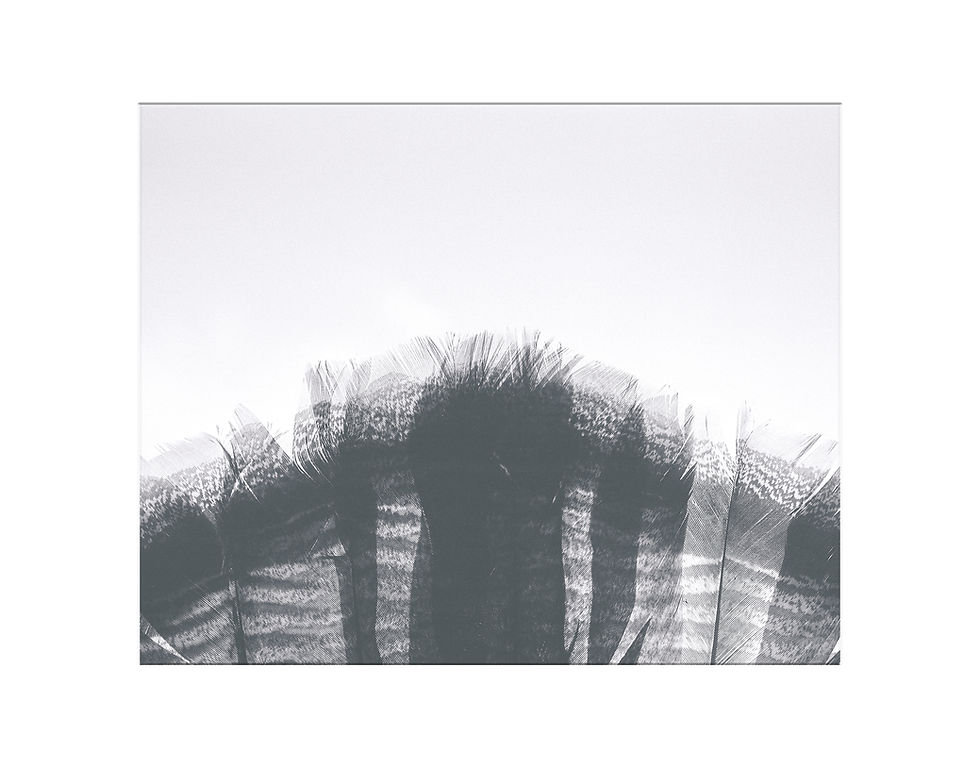
Turkey season often sneaks up on us, but you can’t miss the opener! The deciduous forest has started to bud, but its leaves have yet to unfold. With an uncluttered canopy, a shout from a gobbler, as he sits high on his roost, can be heard from ridges away. They have waited all year to announce from the treetops that it's showtime. On a good day, we’ll hear multiple gobblers in all different directions at first light. We look at each other and debate on which one we should set up on first. When he lets off a thundering gobble within shotgun range, it rattles you to your bones. His wings scrape along the dirt like nails on a chalkboard as you wait for him to step in front of your gun barrel. Their guttural drumming is forced out in a bass rhythm to their strut. As he blows up, his head changes from blue to white to red, and his fan tilts back and forth to the shuffle of his feet. A true full sensory experience in the woods like nothing else.
A perfect spring Saturday is filing a turkey tag, then spending the evening on my good friend’s rock quarry lake with some absolute stud largemouth and aggressive chain pickerel. To add to the wild turkey table fare, yellow perch fillets join the mix. The perch have also migrated up the Bay’s coastal tributaries to spawn. The tidal rivers isolate them in the deep bends, where they’re apt to take a jig as it passes by. These coastal areas can have brackish water that species like Bowfin have adapted to tolerate. The bowfin are an prehistoric, air-breathing predators native to Virginia's coastal plain waters and thought to be one of the oldest fish species native to the area. Their bite destroys most of todays lures so come prepared.
But on Sundays, the family farm is the place to be. In early spring, the red buds are the first to bloom. Their pink bushy limbs vibrantly speckle the grey forest backdrop that has yet to leaf. As the oaks begin to green, the Dogwoods bloom, adding an unsullied white to the forest. After church, we shed our Sunday’s best and head down to the farm pond for an afternoon of speckled perch, aka crappie, fishing. While sitting on the dock’s bench listening to the orchestra of the many migratory birds, the goslings waddle from the grassy banks and into the pond. They're following mother goose and gander that have mated for life and chosen the family farm pond as the perfect place to raise their young. A pair of Wood ducks soar by and dive into the nesting boxes we have installed around the pond's banks. We could count on a tuna fish salad sandwich from Mom and maybe a few small chores around the farm from Dad before the family came over for a fish fry. The dock is now crowded and so is our hearts when the youngins' catch their first fish.
We always did our damndest to time each activity for the optimal experience, but you can imagine how difficult it may have been for us outdoor enthusiasts to make time for it all. The season has brought us a multitude of options but harvesting a gobbler was often a tale of “almost” and “next time,” especially as the season waned. Its easy to get caught up chasing the next big fish or new experience but sometimes its worth slowing down to enjoy what's right here at home. Cherish these Spring days with friends and family; When the Dogwoods Bloom.
For more film photos of our Virginia and Carolina coasts check out the Sweet Virginia and
Crystal Coast Collections.


Comments